QUIMICA
QUIMICA
ESTEQUIOMETRIA
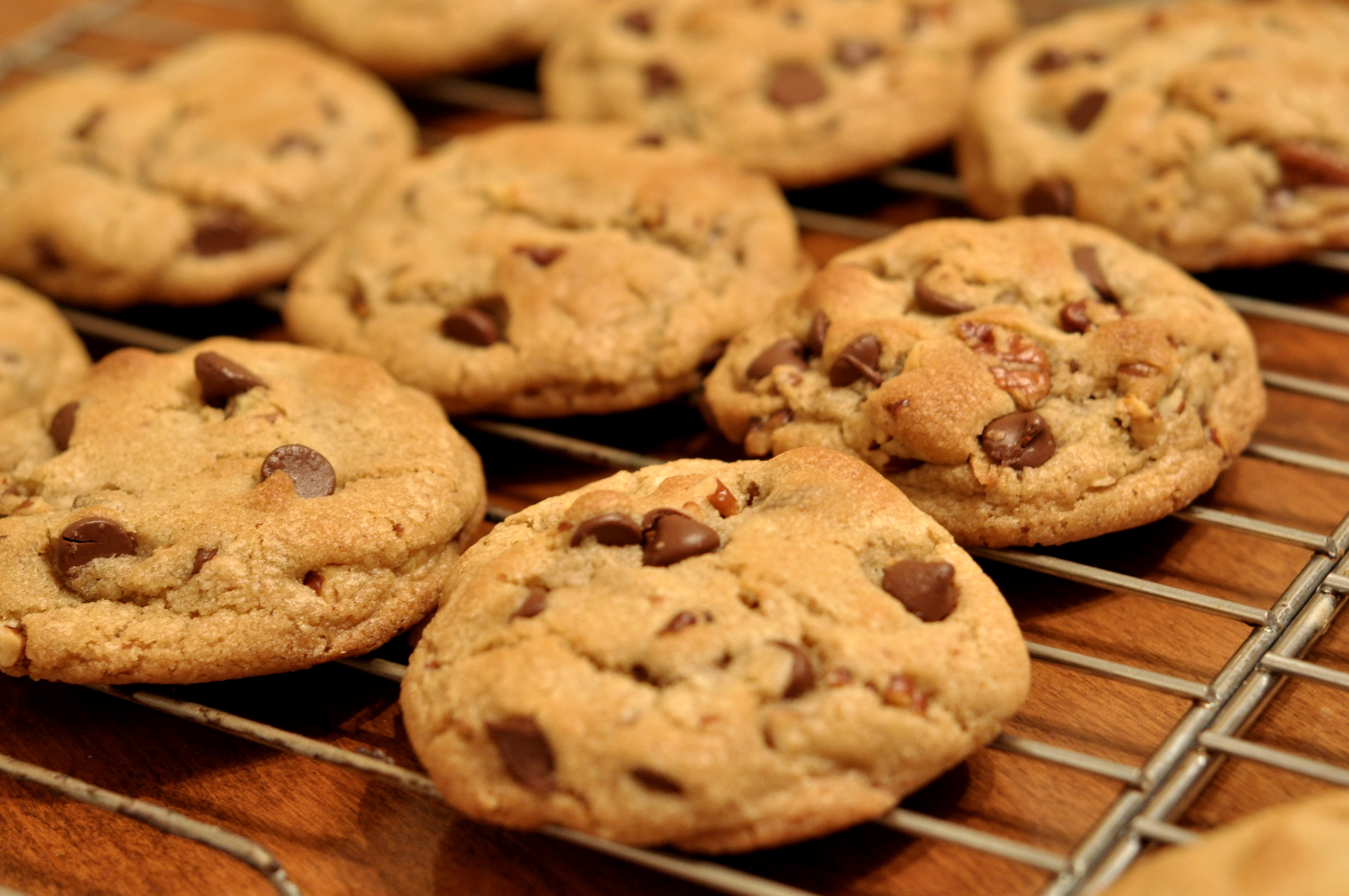
¿Qué tienen en común las galletas y la química? ¡Pues resulta que muchas cosas! Una ecuación química balanceada es la receta de una reacción: contiene una lista de todos los reactivos (los ingredientes) y los productos (las galletas), así como sus proporciones relativas.
El uso de una ecuación química balanceada para calcular las cantidades de reactivos y productos se llama estequiometría. Esta es una palabra que suena muy técnica, pero sencillamente significa el uso de las proporciones de la reacción balanceada. En este artículo analizaremos cómo usar relaciones molares para calcular la cantidad de reactivos necesaria para una reacción.
Reacciones balanceadas y relaciones molares
Los coeficientes estequiométricos son los números que utilizamos para asegurar que nuestra ecuación está balanceada. Con los coeficientes estequiométricos podemos calcular razones (también llamadas relaciones), y estas relaciones nos darán información sobre las proporciones relativas de las sustancias químicas en nuestra reacción. Podrías encontrar que a esta proporción se le llama relación molar, factor estequiométrico o relación estequiométrica. La relación molar se puede usar como un factor de conversión entre diferentes cantidades.
Consejo para resolver problemas: el primer paso, y el más importante, es el mismo para todos los problemas de estequiometría, sin importar qué estás resolviendo: ¡asegúrate de que tu ecuación esté balanceada! Si no es así, las relaciones molares estarán equivocadas y las respuestas no serán correctas.
Por ejemplo, los coeficientes estequiométricos para la siguiente reacción balanceada nos dicen que 1 mol de start text, F, e, end text, start subscript, 2, end subscript, start text, O, end text, start subscript, 3, end subscript reaccionará con 2 moles de start text, A, l, end text para dar 2 moles de start text, F, e, end text y 1 mol de start text, A, l, end text, start subscript, 2, end subscript, start text, O, end text, start subscript, 3, end subscript.
Si tenemos una masa conocida del reactivo start text, F, e, end text, start subscript, 2, end subscript, start text, O, end text, start subscript, 3, end subscript, podemos calcular cuántos moles de start text, A, l, end text necesitamos para que reaccionen totalmente con start text, F, e, end text, start subscript, 2, end subscript, start text, O, end text, start subscript, 3, end subscript al utilizar la razón de sus coeficientes:
Ejemplo: el uso de relaciones molares para calcular la masa de un reactivo
Para la siguiente reacción no balanceada, ¿cuántos gramos de start text, N, a, O, H, end text serán necesarios para reaccionar totalmente con 3,10 gramos de start text, H, end text, start subscript, 2, end subscript, start text, S, O, end text, start subscript, 4, end subscript?
En esta reacción tenemos 1 start text, N, a, end text y 3 start text, H, end text del lado de los reactivos, y 2 start text, N, a, end text y 2 start text, H, end textdel lado de los productos. Podemos balancear nuestra ecuación al multiplicar start text, N, a, O, H, end text por dos, de manera que haya 2 start text, N, a, end text de cada lado, y multiplicar start text, H, end text, start subscript, 2, end subscript, start text, O, end text por dos, para que haya 6 start text, O, end text y 4 start text, H, end text en ambos lados. Esto nos da la siguiente reacción balanceada:
Una vez que tenemos la reacción balanceada, nos podemos hacer las siguientes preguntas:
- ¿De qué reactivo o reactivos ya conocemos la cantidad?
- ¿Qué estamos tratando de calcular?
En este ejemplo, sabemos que la cantidad de start text, H, end text, start subscript, 2, end subscript, start text, S, O, end text, start subscript, 4, end subscript es 3,10 gramos, y queremos calcular la masa de start text, N, a, O, H, end text. Armados con la ecuación balanceada y un claro sentido de propósito (esperemos), podemos usar la siguiente estrategia para abordar este problema de estequiometría:
Paso 1: convertir una cantidad conocida de reactivo a moles
La cantidad conocida en este problema es la masa de start text, H, end text, start subscript, 2, end subscript, start text, S, O, end text, start subscript, 4, end subscript. Podemos convertir la masa de start text, H, end text, start subscript, 2, end subscript, start text, S, O, end text, start subscript, 4, end subscript a moles al usar el peso molecular. Dado que el peso molecular de start text, H, end text, start subscript, 2, end subscript, start text, S, O, end text, start subscript, 4, end subscript es 98,09 g/mol, podemos encontrar los moles de start text, H, end text, start subscript, 2, end subscript, start text, S, O, end text, start subscript, 4, end subscript de la siguiente manera:
Paso 2: el uso de la relación molar para encontrar los moles de otro reactivo
Queremos calcular la cantidad de start text, N, a, O, H, end text, entonces podemos usar la relación molar entre start text, N, a, O, H, end text y start text, H, end text, start subscript, 2, end subscript, start text, S, O, end text, start subscript, 4, end subscript. Según nuestra ecuación química balanceada, necesitamos 2 moles de NaOH por cada mol de start text, H, end text, start subscript, 2, end subscript, start text, S, O, end text, start subscript, 4, end subscript, lo que nos da la siguiente relación:
Podemos utilizar la proporción para convertir moles de start text, H, end text, start subscript, 2, end subscript, start text, S, O, end text, start subscript, 4, end subscript del paso uno, en moles de start text, N, a, O, H, end text:
Observa que podemos escribir la relación molar de dos maneras:
start fraction, 2, start text, m, o, l, space, N, a, O, H, end text, divided by, 1, start text, m, o, l, space, H, end text, start subscript, 2, end subscript, start text, S, O, end text, start subscript, 4, end subscript, end fraction, space, space, start color #1fab54, \checkmark, end color #1fab54, space, space, spaceospace, space, space, start fraction, 1, start text, m, o, l, space, H, end text, start subscript, 2, end subscript, start text, S, O, end text, start subscript, 4, end subscript, divided by, 2, start text, m, o, l, space, N, a, O, H, end text, end fraction, space, space, start color #e84d39, X, end color #e84d39
¡Cada formato nos da una respuesta diferente! Sin embargo, solo una relación permitirá que las unidades de start text, H, end text, start subscript, 2, end subscript, start text, S, O, end text, start subscript, 4, end subscript se cancelen adecuadamente. El mensaje importante aquí es ¡siempre revisa tus unidades! Hay un video que explica cómo podemos tratar las unidades como números para tener una contabilidad más fácil; puedes ver este video sobre análisis dimensional.
Paso 3: convertir moles a masa
Podemos convertir los moles de start text, N, a, O, H, end text del Paso 2, a masa en gramos mediante el peso molecular de start text, N, a, O, H, end text:
Necesitaremos 2,53 gramos de start text, N, a, O, H, end text para que reaccionen totalmente con 3,10 gramos de start text, H, end text, start subscript, 2, end subscript, start text, S, O, end text, start subscript, 4, end subscript.
Atajo: también podríamos combinar los tres pasos en un solo cálculo, con la advertencia de que debemos poner mucha atención en nuestras unidades. Para convertir la masa de start text, H, end text, start subscript, 2, end subscript, start text, S, O, end text, start subscript, 4, end subscript en masa de start text, N, a, O, H, end text, podemos resolver la siguiente expresión:
Si observamos cuidadosamente la expresión, la podemos descomponer en los pasos 1 a 3 arriba. La única diferencia es que en lugar de hacer cada conversión por separado, las hicimos todas a la vez.
Los coeficientes de la reacción química balanceada nos indican las proporciones de reactivos y productos. Podemos usar la razón, o relación, de los coeficientes para hacer conversiones entre las cantidades de reactivos y productos en nuestra reacción.


muy interesante
ResponderEliminarmuy interesante
ResponderEliminarMe facilitaste el tema, gracias
ResponderEliminar